
Jeffrey Simon MD provides addiction medicine & psychiatric care to patients throughout New Jersey, Philadelphia & Delaware. Dr. Simon has affiliations with multiple treatment centers throughout the region. JHS MD provides advanced addiction psychiatry and mental health services under the leadership of Jeffrey Simon MD, a physician with specialized expertise in Addiction Psychiatry, Child & Adolescent Psychiatry, and Adult Psychiatry. The practice delivers evidence-based treatment for substance use disorders and co-occurring psychiatric conditions using individualized, patient-centered care.
When someone experiences hallucinations, unusual beliefs, or difficulty distinguishing what is real, daily life can become challenging and confusing. If these experiences occur alongside significant changes in mood, such as depression or periods of unusually elevated energy, a more complex mental health condition may be involved. Getting the right diagnosis matters because treatment needs to address the full range of symptoms rather than focusing on just one part of the experience.
For individuals and families searching for Schizoaffective Disorder in Marlton, learning about the condition can clarify what to look for, how treatment works, and where to seek help. Peak Mental Health & Wellness provides mental health services for adults in Marlton, New Jersey, with treatment plans tailored to individual symptoms and clinical needs.
What Is Schizoaffective Disorder?
Schizoaffective disorder is a mental health condition characterized by symptoms of psychosis alongside significant mood episodes. Psychosis can affect how a person interprets reality, while mood episodes may involve major depression or mania. Because these symptoms can overlap, schizoaffective disorder requires careful evaluation by a qualified mental health professional.
The condition shares features with schizophrenia and mood disorders, but the timing of symptoms helps distinguish them. In schizoaffective disorder, a person experiences a period of psychotic symptoms without a major mood episode, while mood episodes are also present during the majority of the illness. This distinction helps clinicians determine which diagnosis best explains a person’s experiences and guides treatment decisions.
Schizoaffective disorder affects people differently. Some individuals experience pronounced depressive symptoms, while others experience episodes of elevated or irritable mood alongside psychosis. With appropriate treatment and ongoing clinical support, many people can manage symptoms, strengthen daily functioning, and work toward greater stability.
Recognizing the Symptoms of Schizoaffective Disorder
Schizoaffective disorder involves a combination of psychotic symptoms and mood-related changes. Symptoms can vary in intensity over time, and not everyone experiences the same combination.
Psychotic Symptoms
Psychotic symptoms affect perception, thinking, or a person’s ability to distinguish reality from experiences that others do not share. These symptoms may include:
- Hallucinations: Hearing voices or seeing things that other people do not perceive.
- Delusions: Holding strong beliefs that remain despite clear evidence to the contrary.
- Disorganized thinking or speech: Having difficulty organizing thoughts or communicating ideas clearly.
- Changes in behavior: Acting in ways that seem unusual, disconnected, or difficult for others to understand.
- Reduced motivation or emotional expression: Having difficulty initiating activities or showing emotions in familiar ways.
Mood-Related Symptoms
Mood symptoms depend partly on the type of schizoaffective disorder a person experiences. They may include:
- Depressive symptoms: Low mood, hopelessness, reduced interest in activities, fatigue, or changes in sleep and appetite.
- Manic symptoms: Unusually elevated or irritable mood, increased energy, racing thoughts, reduced need for sleep, or impulsive decisions.
- Changes in daily functioning: Difficulty maintaining relationships, completing responsibilities, or following regular routines.
The presence of one symptom alone does not establish a diagnosis. A mental health professional evaluates the combination, timing, and duration of symptoms to determine whether schizoaffective disorder or another condition better explains what is happening.

The Two Types of Schizoaffective Disorder
Schizoaffective disorder is generally classified into two types based on the mood episodes that accompany psychotic symptoms.
- Bipolar type: Includes episodes of mania and may also involve major depression. During manic episodes, a person may experience increased energy, reduced need for sleep, racing thoughts, or unusually impulsive behavior.
- Depressive type: Includes major depressive episodes without manic episodes. Symptoms may involve profound sadness, loss of interest, low energy, hopelessness, or difficulty managing daily responsibilities.
Both types involve psychotic symptoms, but their mood patterns differ. Identifying the correct type helps clinicians choose appropriate medication and therapeutic support.
How Schizoaffective Disorder Can Affect Daily Life
Schizoaffective disorder can interfere with relationships, employment, self-care, and the ability to maintain a predictable routine. Psychotic symptoms may make it difficult to interpret conversations or trust what is happening around you, while mood episodes can affect motivation, energy, judgment, and emotional connection.
These challenges can also affect family members and close relationships. Loved ones may struggle to understand changes in behavior or know how to respond when symptoms become more noticeable. Without appropriate support, individuals may withdraw socially, miss responsibilities, or have difficulty following a treatment plan.
Recognizing changes early can help someone receive appropriate care before symptoms cause greater disruption. If you or someone close to you experiences changes in perception, thinking, or mood that interfere with everyday life, a professional evaluation can help clarify the next steps.
What Causes Schizoaffective Disorder?
There is no single known cause of schizoaffective disorder. Researchers believe a combination of genetic, biological, and environmental factors may contribute to its development. Family history can influence vulnerability, while stress and other life circumstances may affect when symptoms emerge or how they change over time.
The condition is not caused by a character flaw or a lack of willpower. Its symptoms reflect complex processes involving mental health, perception, and mood regulation. Understanding these contributing factors can help clinicians develop an individualized treatment plan, although the precise cause may not be identifiable in a particular person.
How Is Schizoaffective Disorder Diagnosed?
Diagnosing schizoaffective disorder requires a detailed psychiatric evaluation. A clinician reviews psychotic symptoms, mood episodes, medical history, medication use, and changes in daily functioning. They also consider when symptoms began, how long they lasted, and whether psychosis occurred during periods without a major mood episode.
This timeline is especially important because schizophrenia, bipolar disorder with psychotic features, major depression with psychotic features, and other conditions can produce overlapping symptoms. A clinician may also recommend medical testing or additional assessment to rule out substance-related causes or medical conditions that can affect perception and behavior.
Diagnosis may take time because clinicians need to understand the course of symptoms rather than rely on a single appointment or isolated experience. If you are seeking Schizoaffective Disorder in Marlton, you can contact Peak Mental Health & Wellness to discuss your symptoms and determine which assessment or treatment services are appropriate. Confirm whether the practice can provide the specific psychiatric diagnostic evaluation you need.

Treatment for Schizoaffective Disorder
Treatment generally combines psychiatric medication with psychological and practical support. Because the condition involves both psychotic and mood symptoms, clinicians consider the full symptom pattern when recommending care. Treatment may change over time as symptoms improve, new concerns emerge, or medication needs require adjustment.
Psychiatric Medication Management
Medication often plays a central role in managing schizoaffective disorder. Antipsychotic medications are commonly used to address psychotic symptoms, while mood stabilizers or antidepressants may be considered depending on the person’s symptoms and diagnosis. A prescribing clinician evaluates potential benefits, side effects, interactions, and medical history when selecting or adjusting medication.
Taking medication as prescribed and maintaining regular follow-up appointments can help clinicians monitor symptom changes and address concerns early. Never stop or change psychiatric medication without discussing it with your prescribing clinician, as sudden changes may cause symptoms to return or worsen.
Individual Therapy
Individual therapy provides a structured setting to address the emotional and practical challenges that can accompany schizoaffective disorder. Depending on the person’s stability and needs, therapy may focus on coping with stress, managing mood changes, recognizing early warning signs, strengthening daily routines, and improving relationships. Therapy complements psychiatric care rather than replacing medication when medication is clinically necessary.
Cognitive Behavioral Therapy (CBT)
Cognitive behavioral therapy can help people with schizoaffective disorder manage distressing thoughts, cope with symptoms, and address co-occurring depression or anxiety. Depending on the individual’s needs and clinical stability, CBT may help someone examine distressing interpretations, develop practical coping strategies, and recognize situations that increase stress. Therapy complements psychiatric treatment and can support daily functioning as part of a broader care plan.
Group Therapy and Family Support
Group therapy can provide opportunities to develop coping skills, connect with others, and practice communication in a supportive setting. Family education and involvement, when appropriate and welcomed by the individual, can help loved ones recognize warning signs, communicate more effectively, and support treatment goals. These approaches may reduce isolation and help establish a more consistent support system.
At Peak Mental Health & Wellness, group therapy and structured outpatient programs provide opportunities to build coping skills, strengthen daily functioning, and connect with support. Treatment recommendations are tailored to each person’s needs, symptoms, and goals.
When Is a Higher Level of Care Needed?
The appropriate treatment setting depends on symptom severity, safety, daily functioning, and the amount of support someone needs. Some individuals can manage symptoms with outpatient appointments and psychiatric follow-up, while others may benefit from a more structured program when symptoms interfere significantly with daily life.
Peak Mental Health & Wellness offers traditional outpatient care, an intensive outpatient program (IOP), and a partial hospitalization program (PHP). These programs provide different levels of structure and therapeutic support, but they are not substitutes for emergency stabilization when someone is experiencing an acute psychiatric crisis.
If psychotic symptoms, severe mood changes, or difficulty caring for yourself make it unsafe to remain at home, an urgent psychiatric assessment may be necessary. Call 911 or go to the nearest emergency department if there is immediate danger. In the United States, you can also call or text 988 for crisis support.
Paying for Schizoaffective Disorder Treatment
The cost of care depends on your insurance benefits, the services you need, and whether your treatment provider participates in your plan. Some policies cover psychiatric appointments, medication management, psychotherapy, and structured outpatient programs, although eligibility and authorization requirements vary.
Before beginning treatment, ask your insurer which services are covered and whether you need a referral or prior authorization. Peak Mental Health & Wellness can help you explore benefits for its available programs and clarify potential out-of-pocket costs. Confirm coverage directly with your insurer because benefit verification does not guarantee payment.
Getting Help for Schizoaffective Disorder in Marlton
Living with schizoaffective disorder can involve challenges that affect more than mood or perception alone. Treatment may need to address psychotic symptoms, emotional changes, medication needs, and the practical demands of everyday life. A coordinated approach can help identify priorities and establish a plan that reflects the person’s current symptoms and long-term goals.
Peak Mental Health & Wellness provides adult mental health services in Marlton, New Jersey, including individual therapy, group therapy, and structured outpatient programs. If you or a loved one is looking for Schizoaffective Disorder in Marlton, contact the team to discuss available services, psychiatric care coordination, and whether its programs fit your needs. If specialized psychiatric treatment is required beyond the practice’s services, ask about appropriate referrals.
Frequently Asked Questions About Schizoaffective Disorder
What is the difference between schizoaffective disorder and schizophrenia?
Schizoaffective disorder involves psychotic symptoms alongside major mood episodes, such as depression or mania. Schizophrenia primarily involves psychotic symptoms and related changes in thinking, perception, and functioning, although mood symptoms can also occur. Clinicians consider the timing and duration of psychotic and mood symptoms to distinguish between the conditions.
Can schizoaffective disorder be treated?
Yes. Treatment commonly combines antipsychotic medication with additional medication when appropriate, psychotherapy, and ongoing clinical support. The specific plan depends on the type of schizoaffective disorder, symptom severity, medical history, and response to treatment. Regular follow-up helps clinicians adjust care as needs change.
Does schizoaffective disorder require medication?
Medication is commonly a central part of treatment because it helps manage psychotic symptoms and, when needed, mood episodes. The specific medications and combinations vary by individual. A psychiatrist or qualified prescribing clinician can explain the options, monitor side effects, and determine whether adjustments are needed.
Can someone with schizoaffective disorder live independently?
Many people with schizoaffective disorder can work toward independent living, relationships, and personal goals with appropriate treatment and support. Outcomes vary depending on symptom severity, access to care, response to medication, and available support systems. A treatment plan can address practical needs as well as symptoms.
Does Peak Mental Health & Wellness treat schizoaffective disorder?
Peak offers adult mental health services, including individual and group therapy and structured outpatient programs. However, its publicly listed services do not fully establish whether it provides the specialized psychiatric care and medication management every person with schizoaffective disorder may require. Contact the practice to discuss your needs and confirm whether its services are appropriate or whether a referral is needed.
Does insurance cover schizoaffective disorder treatment?
Some insurance plans cover eligible psychiatric care, medication management, therapy, and outpatient mental health programs. Coverage varies according to the policy, provider network, and recommended treatment setting. Contact your insurer and Peak’s admissions team to verify benefits, authorization requirements, and potential out-of-pocket costs.
Mental Health
Reach out to Peak Wellness Today!
At Peak, we are dedicated to providing compassionate care that helps our clients heal, recover, and thrive. Contact us today to learn more about our treatment options and how we can help you or your loved one start the journey toward lasting recovery.
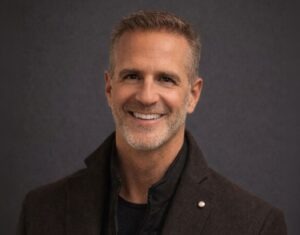
Medically reviewed
Dr. Jeffrey Simon
MD
Psychiatrist , Addiction Psychiatry, Child & Adolescent Psychiatry, and Adult Psychiatry
MEDICALLY REVIEWED BY:
Dr. Jeffrey Simon