
Flexible Mental Health Treatment In New Jersey
Rated By 500+ Substance Use and Mental Health Clients.
100% Confidential | Cost Free | No Obligations
Check if your insurance will cover the cost of treatment
Our Mental Health Programs
Not everyone needs the same level of mental health care. Matching your support to your actual symptoms is what makes a treatment plan work long-term. Below is what each program involves, from the weekly schedule to the type of care you’ll receive.

Partial Hospitalization Program (PHP)
Our partial hospitalization program is built to stabilize first, then build skills to function day to day. Most people attend five days a week during daytime hours, then go home each evening. They keep a consistent routine without requiring an overnight stay. Daily structure matters early on, when just getting through a day can feel like the whole task. For those starting PHP, having somewhere to be each morning is itself part of what steadies things.
A typical week combines individual therapy, group sessions, skills-based groups, and psychiatric care. These pieces work together toward the same treatment goals, not as separate appointments. If once-a-week therapy isn’t enough, PHP is usually the starting point our clinical team recommends. This holds especially if you don’t need 24-hour supervision. Many individuals step down to IOP once daily stabilization is no longer the priority.
Intensive Outpatient Programs (IOP)
Our intensive outpatient program (IOP) sits between PHP and standard outpatient care. It provides more structure than a weekly session, but without the daily time commitment of PHP. Treatment usually combines individual and group therapy, along with medication management where needed. Sessions typically run several times a week, in blocks of a few hours rather than a full day. For someone who needs regular clinical contact but not daily supervision, this middle step often fits better than either extreme.
IOP works well for those who need more than once-a-week support. Many are already managing daily responsibilities like work, school, or caregiving. Sessions are scheduled around your existing routine, not the other way around. Many people move into IOP after finishing PHP, keeping the stabilization going while resuming more of their normal schedule. Others start here directly, if their symptoms warrant more than weekly therapy but not a daytime program.


Standard Outpatient Program (OP)
Our standard outpatient program is the most flexible option for outpatient mental health in New Jersey. Sessions are scheduled once a week or every other week, built around your calendar rather than the other way around. It works well for people managing symptoms that don’t require daily support. It also fits someone stepping down after finishing IOP or PHP. Sessions still follow a treatment plan built around specific goals, just at a lower frequency.
The lower time commitment matters. Outpatient mental health treatment in New Jersey, at the standard level, gives you room to keep working and attending school. You can also manage family responsibilities while checking in regularly with a clinician. If your symptoms increase, your care team can recommend moving up to IOP or PHP instead of waiting for a crisis. For many people, OP is also where treatment naturally lands after finishing a higher level of care.
THERAPIES WE OFFER

INDIVIDUAL THERAPY

GROUP THERAPY

COGNITIVE BEHAVIORAL THERAPY (CBT)

DIALECTICAL BEHAVIOR THERAPY (DBT)
What We Treat at Peak Mental Health
Every condition below responds differently. Treatment here is built around that difference, not a single fixed protocol. Our team at Peak uses evidence-based modalities like CBT, DBT, and ACT, chosen based on your specific diagnosis. Generalized anxiety calls for a different approach than OCD or PTSD, even though both fall under “anxiety-related” care. Below is a closer look at the conditions we treat most often.

A racing heart before checking email. Avoiding a call you’ve put off for days. We treat generalized anxiety, panic disorder, phobias, and social anxiety by targeting the specific trigger, not just the worry itself.








Peak Mental Health & Wellness treats adults facing serious mental health challenges, including schizophrenia, PTSD, and anxiety disorders. Our clinical team builds individualized plans instead of running one protocol for every diagnosis. When symptoms start interfering with work, relationships, or daily routines, weekly therapy alone isn’t always enough. PHP, IOP, and OP all provide more support than traditional weekly therapy, without requiring an overnight stay. Care starts with an assessment, where our team builds a personalized treatment recommendation and can begin care quickly if it’s a good fit.
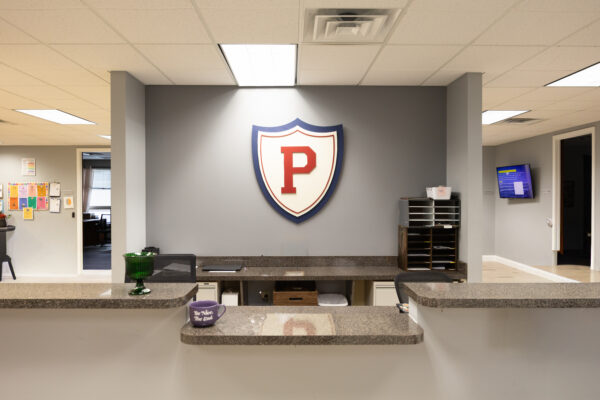

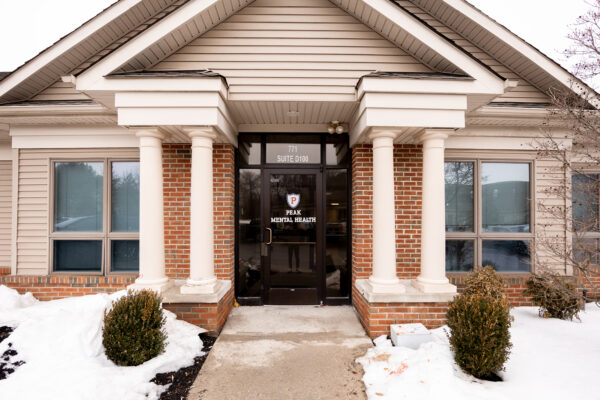
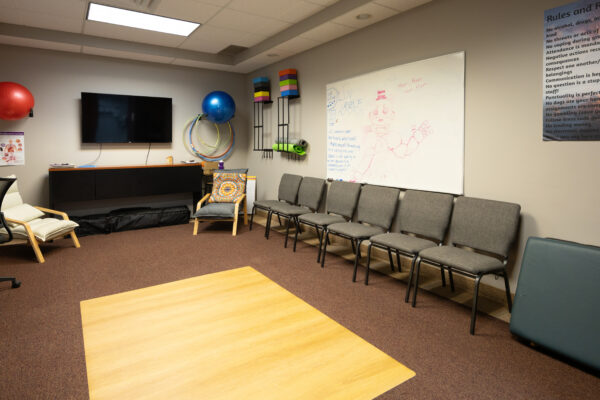
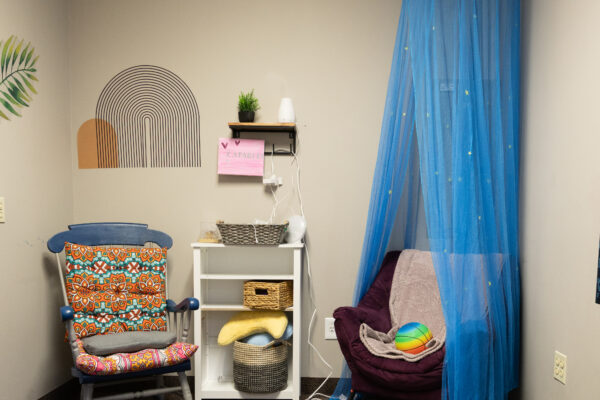
Reach out to Peak Today!
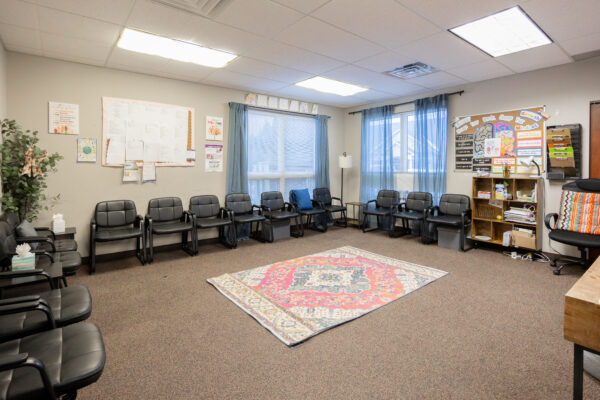
Facility Tour











We accept NYSHIP, Beacon, and Blue Cross Blue Shield, and more
Peak Mental Health accepts NYSHIP, Beacon, and Blue Cross Blue Shield. Our admissions team can check your specific plan before your first visit. We offer mental health support in Marlton, NJ across South Jersey and Philadelphia. Telehealth is available for those who cannot come in person. Scheduling stays flexible, built around work, school, and family obligations. Our admissions team verifies your benefits and explains your coverage before your first appointment, so treatment starts without surprises.












WHAT OUR CLIENTS SAY
Start Mental Health Treatment in New Jersey
Mental health symptoms rarely resolve on their own. Waiting for things to get bad enough to justify a call usually just means a harder starting point. Peak Mental Health & Wellness offers outpatient mental health treatment in New Jersey. You get support at the level your symptoms actually require, without needing to hit crisis first. Contact us today to schedule an assessment and find out which program fits.
FAQs About Mental Health Treatment in New Jersey
How do I know if I need PHP, IOP, or standard outpatient care?
You don’t have to know before you call. During the assessment, our clinical team looks at your current symptoms, daily schedule, and treatment history. From there, they recommend the level that matches where you are right now.
Can I keep working or going to school while in treatment?
Yes, for IOP and standard outpatient, sessions are scheduled around your existing commitments rather than replacing them. PHP requires more daytime hours, so it works better for people who can step back from work or school temporarily.
How long does treatment usually take?
There’s no fixed timeline. Length of care depends on your specific symptoms and progress, and your team reassesses regularly to adjust the plan or step you down when it’s appropriate.
Do I need a referral or diagnosis to start treatment?
No referral is required. You can request an assessment directly. If you don’t have a formal diagnosis yet, our clinical team can evaluate your symptoms as part of that first appointment.