Sound Therapy in New Jersey for Mental Health
Sound therapy is an evidence-based approach that utilizes specific sounds, frequencies, and vibrations to support mental health and emotional well-being. At Peak Wellness, individuals and families in New Jersey can access sound therapy as part of a comprehensive treatment plan for conditions such as anxiety, depression, mood disorders, and relationship challenges. This therapy empowers clients to regain control over their mental health, offering a flexible and accessible option that fits into busy lifestyles.
Sound therapy for mental health goes beyond simply listening to music. It involves the intentional use of sound to calm the nervous system, regulate emotions, and promote relaxation. Sound-based interventions can reduce stress, lower anxiety, and enhance overall wellness. Peak Wellness is dedicated to providing compassionate, high-quality care by integrating sound therapy with counseling and personalized treatment plans.
What Is Sound Therapy for Mental Health?
Sound therapy is a therapeutic practice that uses sound waves, vibrations, and frequencies to promote healing and mental wellness. Unlike passive music listening, sound therapy involves guided sessions with specific instruments or recordings designed to target emotional and physiological responses.
This approach is based on the understanding that sound can influence brain activity, heart rate, and stress hormones. By using carefully selected sounds, therapists help clients achieve deep relaxation, emotional balance, and improved mental clarity.
How Is Sound Therapy Different from Listening to Music?
While music can be soothing, sound therapy is a structured intervention led by trained professionals. It uses instruments such as singing bowls, tuning forks, and guided meditations to create therapeutic soundscapes. These sessions are tailored to address specific mental health disorders, including anxiety and PTSD.
The key difference lies in intention and technique. Sound therapy is designed to entrain brainwaves, activate the relaxation response, and support emotional regulation, making it a powerful complement to traditional therapy.
The Mind-Body Connection in Sound Therapy for Wellness
Sound therapy leverages the mind-body connection by using sound to influence both mental and physical states. Vibrations from instruments help calm the nervous system, reduce muscle tension, and lower stress hormones like cortisol.
This holistic therapy approach recognizes that mental health is closely connected to physical well-being. By addressing both, sound therapy supports lasting recovery and resilience.
Peak Wellness’s Commitment to Mental Health Recovery
Peak Wellness believes everyone deserves access to compassionate, personalized mental health care. By offering sound therapy in New Jersey, the center empowers clients with effective tools for recovery. The team integrates evidence-based sound therapy with counseling, ensuring each client receives a treatment plan tailored to their unique needs.
Reach out to Peak Today!
How Peak Wellness Provides Sound Therapy in New Jersey

Peak Wellness employs licensed clinicians with specialized training in sound therapy and mental health care. Clients receive expert guidance and support throughout their treatment journey. The team is dedicated to creating a safe, welcoming environment for all clients.
Each sound therapy session is structured to meet the unique needs of the client. Therapists use a variety of instruments and techniques to promote relaxation, emotional regulation, and healing. Sessions are tailored to address specific mental health concerns, ensuring the best possible outcomes.
Sound therapy is fully integrated with mental health counseling at Peak Wellness. This holistic approach addresses both emotional and physical aspects of well-being, supporting comprehensive recovery.
Clients benefit from a seamless treatment experience that combines the best of traditional and complementary therapies.
How Sound Therapy Works for Mental Health
Sound therapy uses rhythmic sounds and frequencies to guide the brain into specific states, a process known as brainwave entrainment. For example, low-frequency sounds can encourage the brain to enter a relaxed, meditative state, which is associated with reduced anxiety and improved mood.
Brainwave entrainment can help regulate emotional responses and support mental wellness. This makes sound therapy a valuable tool for those seeking relief from stress and emotional overwhelm.
Sound therapy activates the body’s relaxation response by stimulating the parasympathetic nervous system, which calms the body after stress, lowers heart rate, and reduces blood pressure. During a session, clients often experience a sense of deep calm and safety. This physiological shift helps counteract the effects of chronic stress and supports emotional healing.
Modern life can lead to sensory overload and mental overstimulation. Sound therapy provides a structured environment where clients can disconnect from daily stressors and focus on healing. By reducing external noise and introducing calming sounds, therapy sessions help quiet racing thoughts and promote mental clarity. This is especially helpful for individuals with anxiety or attention difficulties.
Sound therapy supports emotional regulation by helping clients process and release difficult emotions. The vibrations and frequencies used in sessions soothe the nervous system, making it easier to manage feelings of sadness, anger, or fear. With regular sessions, clients can improve emotional resilience and respond to life’s challenges with greater balance.
Types of Sound Therapy in New Jersey
Singing bowls produce rich, resonant tones that promote relaxation and stress relief. When played during therapy sessions, these bowls create vibrations that can help reduce anxiety, lower blood pressure, and support emotional grounding. Clients often report feeling calmer and more centered after sessions with singing bowls. This technique is particularly effective for those seeking relief from chronic stress or emotional overwhelm.
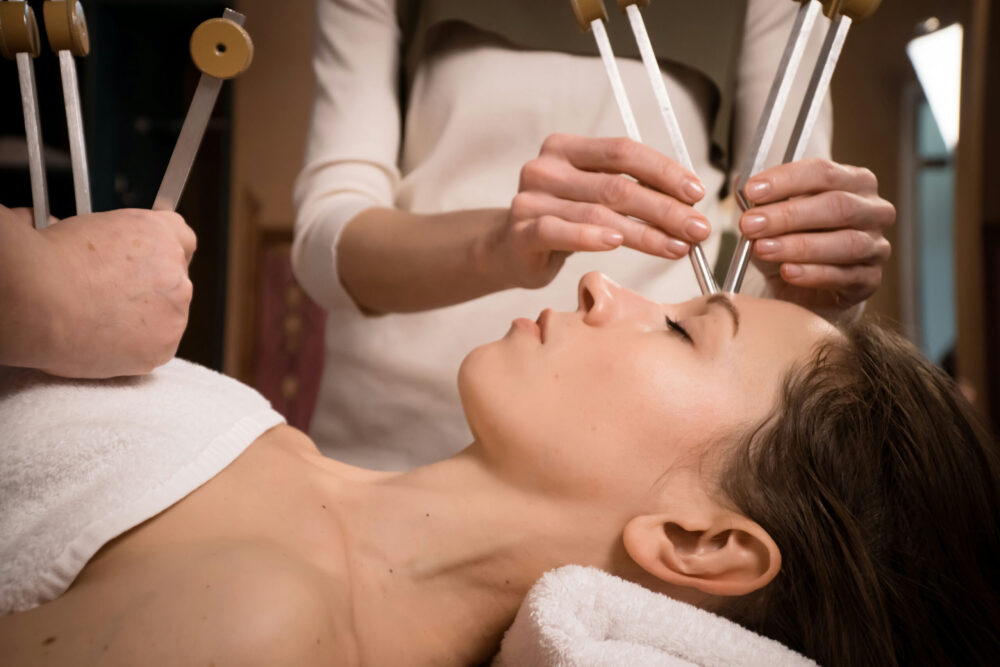
Tuning forks are used in vibrational sound therapy to deliver precise frequencies to the body and mind. These frequencies help balance energy, release tension, and support mental clarity. Therapists may place tuning forks near the body or use them in combination with other instruments. This gentle, non-invasive approach is suitable for individuals of all ages.
Guided sound meditation combines spoken guidance with therapeutic sounds to help clients achieve deep relaxation. These sessions may include breathing exercises, visualization, and calming soundscapes. Sound meditation is effective for reducing anxiety, improving focus, and supporting mindfulness. It can be practiced individually or in group settings, making it a flexible option for mental health support.
Breathwork and tonal exercises are often integrated into sound therapy sessions. Clients are guided to use their breath and voice to create healing vibrations within the body. These exercises help regulate the nervous system, release emotional tension, and promote a sense of inner peace. They are especially helpful for individuals struggling with anxiety or trauma.
Mental Health Benefits of Sound Therapy
Sound therapy is proven to reduce stress and anxiety by calming the nervous system and lowering cortisol levels. An NIH study found that sound-based interventions can significantly decrease symptoms of anxiety and promote relaxation. Clients often experience immediate relief from tension and worry during sessions. Over time, regular sound therapy can lead to lasting improvements in stress management.
Sound therapy helps stabilize mood by supporting emotional regulation and grounding. The soothing vibrations and frequencies used in sessions help clients feel more balanced and less reactive to stressors. This approach is especially beneficial for individuals with mood disorders or those experiencing emotional ups and downs.
Many clients report better sleep and deeper relaxation after participating in sound therapy. The calming effects of therapeutic sound help quiet the mind, making it easier to fall asleep and stay asleep. Improved sleep quality supports overall mental health and resilience, helping clients feel more rested and energized.
Recent research supports the effectiveness of sound therapy for mental health. Studies published by the NIH and other reputable organizations show that sound-based interventions can reduce anxiety, improve mood, and enhance overall well-being. For example, a study found that sound therapy increased heart rate variability, a marker of stress resilience, in adults with anxiety. These findings highlight the value of sound therapy as part of a comprehensive mental health treatment plan.
Sound Therapy for Specific Mental Health Conditions
Sound therapy is an effective complementary treatment for anxiety disorders and depression. By calming the nervous system and supporting emotional regulation, it helps reduce symptoms like worry, sadness, and irritability. Clients with anxiety or depression often find that sound therapy enhances the benefits of traditional counseling and medication.
Individuals with trauma or PTSD can benefit from the gentle, non-invasive nature of sound therapy. The calming sounds and vibrations help create a sense of safety, making it easier to process difficult emotions and memories. Sound therapy also supports recovery from chronic stress by promoting relaxation and resilience.
Burnout and insomnia are common challenges for many people in New Jersey. Sound therapy offers a natural way to restore balance, reduce fatigue, and improve sleep quality. Regular sessions help clients manage stress, recharge their energy, and develop healthier sleep patterns.
Sound therapy works best when integrated with other evidence-based treatments, such as individual therapy, cognitive behavioral therapy (CBT), or dialectical behavior therapy (DBT). This holistic approach addresses the whole person, supporting both emotional and physical well-being. At Peak Wellness, sound therapy is tailored to each client’s needs and combined with counseling for optimal results.
What to Expect During a Sound Therapy Session
Session Environment and Structure at Peak Wellness
Sound therapy sessions at Peak Wellness take place in a calm, comfortable environment designed to promote relaxation. Soft lighting, soothing sounds, and supportive staff help clients feel safe and at ease.
Sessions are led by licensed clinicians with specialized training in sound therapy techniques.
Typical Session Length and Client Experiences
Most sound therapy sessions last between 45 and 60 minutes. During this time, clients may sit or lie down while the therapist uses instruments like singing bowls, tuning forks, or guided meditations.
Clients often describe feeling deeply relaxed, refreshed, and emotionally lighter after each session.
Sensations, Relaxation, and Outcomes of Sound Therapy
During sound therapy, clients may experience gentle vibrations, warmth, or tingling sensations as the sounds interact with the body. These sensations indicate that the therapy is working to calm the nervous system and promote healing. Outcomes include reduced stress, improved mood, and greater emotional balance.
Combining Sound Therapy with Traditional Therapy Approaches
Sound therapy can be combined with traditional therapy approaches, such as talk therapy or mindfulness-based interventions. This integration enhances the benefits of both, providing clients with a comprehensive toolkit for mental health recovery. At Peak Wellness, therapists work closely with clients to develop personalized treatment plans that include sound therapy as a key component.
Who Should Consider Sound Therapy for Mental Health?
Sound therapy is suitable for anyone seeking non-medication approaches to mental health care. It is especially helpful for individuals with high stress levels, sleep difficulties, or emotional overwhelm.
Clients already participating in therapy can benefit from adding sound therapy to their treatment plan for enhanced results.

Get Started with Sound Therapy at Peak Wellness in New Jersey
To begin sound therapy in New Jersey, clients can schedule an appointment or consultation with Peak Wellness. The team will assess individual needs and develop a personalized treatment plan that may include sound therapy, counseling, and other supportive services.
If you or a loved one in New Jersey is seeking effective, compassionate mental health care, consider sound therapy at Peak Wellness. Our licensed clinicians offer personalized sound therapy sessions as part of a comprehensive treatment plan, helping you achieve greater emotional balance, stress relief, and overall well-being. Contact us today and take the first step toward lasting recovery.
Frequently Asked Questions About Sound Therapy
Sound therapy uses specific sounds, frequencies, and vibrations to promote relaxation and emotional regulation. It calms the nervous system, reduces stress, and supports mental wellness through guided sessions with trained professionals.
Yes, sound therapy can reduce symptoms of anxiety and depression by lowering stress hormones and supporting emotional balance. It is most effective when combined with other evidence-based treatments.
During a session, clients relax in a comfortable environment while a therapist uses instruments like singing bowls or tuning forks. The experience is calming and designed to promote deep relaxation and emotional healing.
Sound therapy can be integrated with individual therapy, CBT, DBT, and other mental health treatments. This combination enhances the benefits of both traditional and complementary approaches.
Sound therapy is suitable for anyone seeking non-medication approaches to mental health care, especially those with high stress, sleep difficulties, or emotional overwhelm. It is also helpful for clients already participating in therapy.
To start sound therapy, schedule an appointment or consultation with Peak Wellness in New Jersey. The team will create a personalized treatment plan to support your mental health goals.