Art Therapy for Mental Health Recovery in New Jersey
Sometimes the most powerful healing happens without saying a word. Art therapy combines creative expression with psychological treatment, giving people a way to process emotions that feel too big, too complicated, or too painful to put into language.
In New Jersey, art therapy has become an increasingly accessible option for people dealing with anxiety, depression, trauma, and other mental health challenges. At Peak Wellness, we’ve watched clients discover insights about themselves through a simple drawing that months of conversation hadn’t revealed. This guide covers what art therapy involves, who it helps, and how to find qualified services throughout the state.
Art therapy is a form of psychotherapy that uses creative expression—drawing, painting, sculpting, and collage—to help people process emotions they might struggle to put into words. Licensed art therapists in New Jersey combine training in psychology with visual arts to guide clients through a healing process that doesn’t rely on talking alone. For people dealing with anxiety, trauma, depression, or stress, art-making offers a different pathway to understanding and relief.
The creative process activates parts of the brain that verbal conversation doesn’t reach. When someone paints how they feel or molds clay while working through a difficult memory, they’re accessing emotions stored in the body and mind in ways that traditional talk therapy sometimes can’t. At Peak Wellness, we’ve seen how art therapy helps clients express what feels impossible to say out loud, which is why we include creative approaches in our comprehensive treatment programs.
You don’t have to be an artist to benefit. Art therapy focuses on the process of creating, not the final product. A stick figure drawing holds just as much therapeutic value as a detailed painting—what matters is what emerges during the making.
Reach out to Peak Today!
How Art Therapy Supports Recovery in New Jersey
Finding art therapy services in New Jersey has become easier over the past few years. Art therapists here typically hold credentials like ATR (Art Therapist Registered) or ATR-BC (Board Certified), and many also carry state licenses as professional counselors or clinical social workers.
Insurance coverage varies by plan, though most major carriers in New Jersey cover art therapy when a licensed mental health professional provides it. Before starting treatment, checking with your insurance company about specific coverage details is helpful. Treatment centers like Peak Wellness often assist with verifying benefits and explaining payment options.
- Urban and suburban access: Art therapy services are available throughout New Jersey, from Newark and Jersey City to smaller communities in South Jersey.
- Outpatient and intensive options: Some people attend weekly sessions while others participate in intensive outpatient programs that include art therapy alongside other treatments.
- Telehealth availability: Many New Jersey art therapists now offer virtual sessions, expanding access for people with transportation challenges or busy schedules.
Who Can Benefit from Creative Therapy for Mental Health
Art therapy works across age groups, though therapists adapt their approach depending on who they’re working with.
Children often struggle to verbalize complex feelings. A child dealing with divorce, grief, or anxiety might not have the vocabulary to explain what’s happening inside, but they can draw it. Art becomes a natural language for young people who haven’t yet developed adult communication skills.
Adolescents face unique pressures around identity, peer relationships, and emotional regulation. Art therapy gives teenagers a way to explore who they are without the pressure of finding the “right” words. The creative process also provides healthy outlets for intense emotions that might otherwise come out in harmful ways.
Adults dealing with depression, anxiety, work stress, or major life transitions often find that art therapy bypasses the overthinking that can make talk therapy feel stuck. Creating something tangible can also provide a sense of accomplishment during periods when everything else feels overwhelming.
Older adults use art therapy to maintain cognitive function, process grief, and combat isolation. The social aspect of group art therapy can be especially valuable for seniors who have lost spouses or friends, often serving as part of a holistic approach to emotional healing.
Art therapy has shown particular promise for specific conditions:
- PTSD and trauma: Creating art provides a safe distance from painful memories while still allowing them to surface and be processed.
- Depression: The act of making something can counter feelings of hopelessness and provide small wins during difficult periods.
- Anxiety disorders: Focusing on creative tasks calms the nervous system and interrupts anxious thought patterns.
- Eating disorders: Art offers a non-verbal way to explore body image, control, and emotional needs.
Techniques and Tools Used in Art Therapy
1. Drawing and Painting
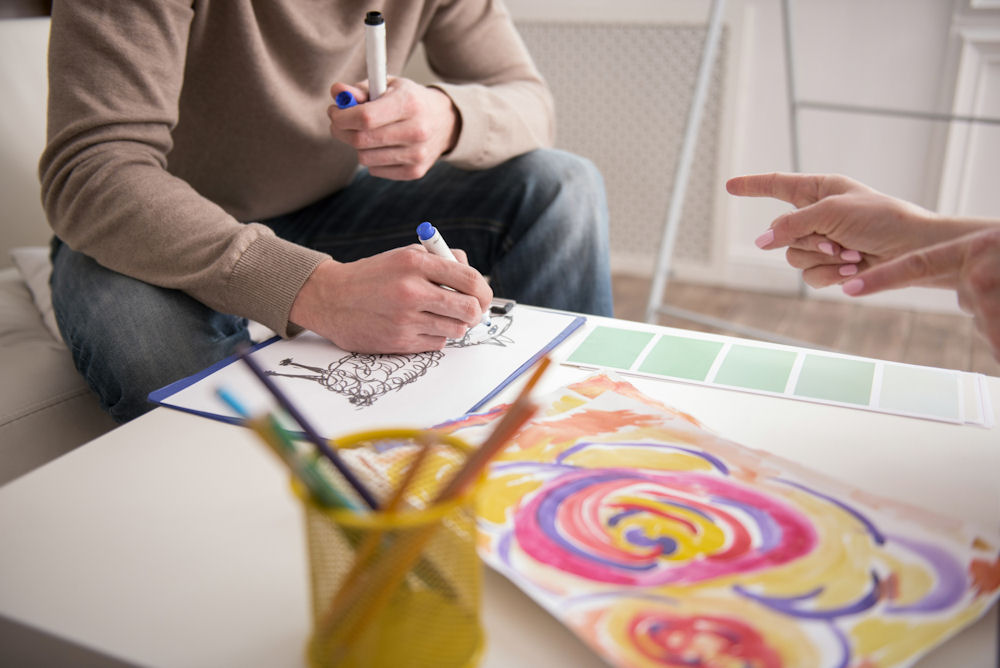
Drawing and painting are the most common art therapy techniques. Your therapist might ask you to draw how you’re feeling right now, paint a safe place you can return to mentally, or create an image representing a specific relationship or memory.
Simple materials work well—markers, colored pencils, crayons, or watercolors. The goal isn’t to create something beautiful. Instead, colors and shapes become a language for emotions. Someone might discover they always use dark colors when thinking about work, or that certain memories bring bright, warm tones to their drawings.
2. Collage and Mixed Media
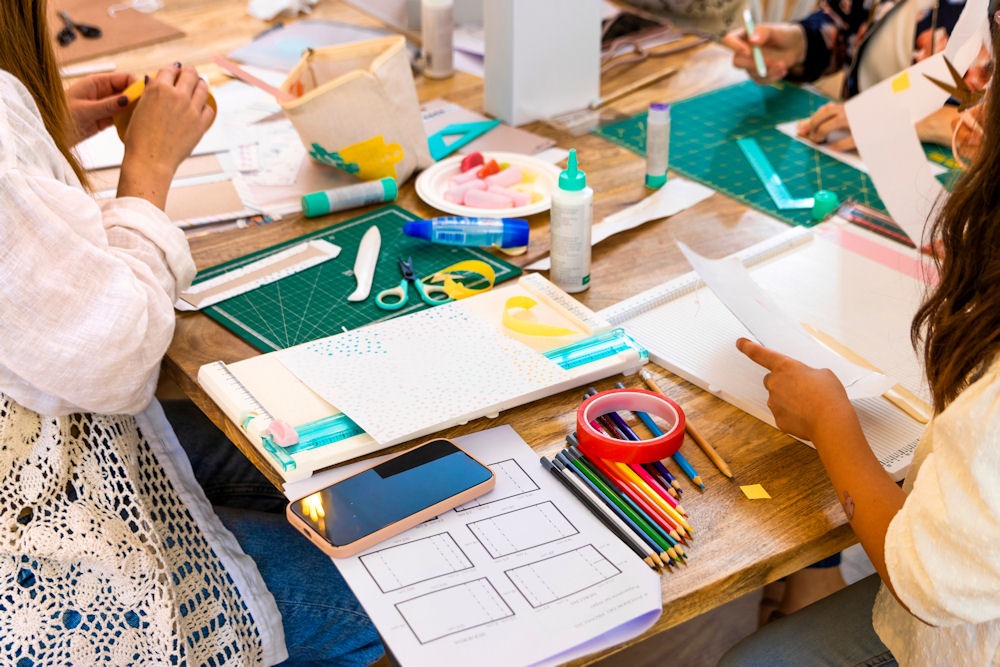
Collage involves cutting and arranging images from magazines, photographs, or printed materials to create new compositions. For people who feel intimidated by drawing, collage removes the pressure of creating from scratch.
The process of selecting images, arranging them, and gluing them down becomes meditative. Many people find that the images they choose reveal patterns they hadn’t consciously noticed. Mixed media combines multiple materials—paper, fabric, found objects—and can feel more accessible than traditional art-making.
3. Clay and Sculpture
Working with clay engages the sense of touch in ways that flat artwork cannot. The physical act of molding, shaping, pressing, and even destroying clay releases tension held in the body.
Three-dimensional work requires different thinking than drawing or painting. Some people find that working with their hands helps them access feelings that stay hidden during other forms of therapy. Clay can also be reworked and changed, which mirrors the therapeutic process of reshaping thoughts and patterns.
Common Questions About Art Therapy Sessions
1. How Long Are Sessions
Individual art therapy sessions typically run 45 to 60 minutes. Group sessions often last 60 to 90 minutes to allow time for both creating and discussing the work.
Treatment length depends on your goals and what you’re working through. Some people benefit from short-term work lasting 8 to 12 sessions, while others engage in longer-term therapy spanning months or years. Your therapist will discuss a treatment plan early on, though plans can always be adjusted as you progress.
2. What Materials Are Needed
You don’t bring anything to art therapy sessions. Your therapist provides all materials, selecting them based on your therapeutic goals and comfort level.
Materials range from basic supplies like paper and markers to more specialized items like clay, fabric, or found objects. If you’ve never held a paintbrush, that’s completely fine. Your therapist introduces new materials gradually as you become more comfortable with the process.
3. Is Telehealth an Option
Virtual art therapy has expanded significantly since 2020. Many New Jersey therapists now offer telehealth sessions where they guide you through exercises using materials you have at home.
Your therapist might mail you a supply kit or provide a simple list of items to gather before your session. While in-person work offers certain advantages, virtual art therapy can be just as meaningful for many people. Most New Jersey insurance plans cover telehealth mental health services at the same rate as in-person visits.
Benefits and Limitations of Art Therapy
1. Potential Benefits
Art therapy offers several documented benefits for mental health:
- Non-verbal expression: Art bypasses the verbal defenses that sometimes keep people stuck in talk therapy, allowing feelings to emerge that might otherwise stay hidden.
- Trauma processing: Creating images provides a safe distance from painful experiences while still allowing them to be acknowledged and worked through.
- Stress reduction: The creative process activates the parasympathetic nervous system, which promotes relaxation and counters the body’s stress response.
- Self-discovery: Artwork often reveals unconscious patterns, beliefs, and insights that surprise even the person who created it.
2. Common Limitations
Art therapy works best as part of a comprehensive treatment plan rather than a standalone cure for serious mental health conditions. For someone with severe depression or active PTSD symptoms, art therapy might be combined with medication, other forms of therapy, or intensive outpatient programming.
Some people initially feel self-conscious about creating art, though this discomfort usually fades with time and a supportive therapist. It’s also worth noting that doing art on your own, while beneficial for stress relief, isn’t the same as therapeutic art-making with clinical guidance. The therapist’s training in psychology is what transforms art-making into therapy.
Integrating Art Therapy with Other Treatment Programs
Art therapy often works best when combined with other evidence-based treatments. The creative process can enhance and deepen work happening in other therapeutic settings.
| Treatment Type | How Art Therapy Complements It |
|---|---|
| Cognitive Behavioral Therapy (CBT) | Provides visual tools for identifying and challenging thought patterns |
| Intensive Outpatient Programs (IOP) | Offers alternative expression methods in group settings |
| Trauma-Focused Therapy | Creates non-verbal pathways to process difficult memories |
| Medication Management | Supports emotional processing alongside symptom relief |
At Peak Wellness, we believe in treating the whole person. Our team collaborates to create individualized treatment plans that might include art therapy alongside group therapy, individual counseling, and other approaches. This integrated model helps ensure that every aspect of mental health receives attention.
Moving Forward with Healing
Art therapy offers a pathway to mental health recovery that honors the connection between creativity and emotional well-being. Whether you’re dealing with anxiety, depression, trauma, or simply seeking greater self-understanding, creative expression can open doors that words alone cannot.
Finding the right therapist matters. Look for someone with proper credentials, such as ATR, ATR-BC, or state licensure, and experience with your specific concerns. Many people try a few sessions before committing to longer-term work, which is completely normal.
FAQs About Art Therapy in New Jersey
Look for credentials like ATR (Art Therapist Registered) or ATR-BC (Board Certified), along with state licensure as a professional counselor (LPC) or clinical social worker (LCSW). The New Jersey Art Therapy Association maintains a directory of qualified professionals in the state.
Session costs generally range from $100 to $200 per hour, though many therapists accept insurance or offer sliding scale fees based on income. Contacting your insurance provider helps clarify your specific coverage for mental health services.
No artistic skill is required. Art therapy focuses on the process of creating, not the final product. Your therapist guides you through exercises designed for emotional expression, not artistic achievement. Many people who consider themselves “not artistic” find art therapy deeply meaningful.
Art classes focus on developing skills and creating aesthetically pleasing work. Art therapy uses art-making as a tool for psychological healing within a therapeutic relationship. Your art therapist is trained to help you process what emerges and connect it to your mental health goals—something an art instructor isn’t equipped to do.
At Peak Wellness, we’re committed to helping you find the right mental health support for your journey, and our team provides comprehensive care tailored to your unique needs. Contact us now to speak with a mental health professional or verify your benefits.