Music Therapy for Mental Health in New Jersey
Music therapy is an evidence-based practice where trained professionals use music interventions—listening, playing, and creating—to help people work through mental health challenges like anxiety, depression, and PTSD. Unlike simply putting on headphones at home, clinical music therapy involves a board-certified therapist who designs each session around your specific goals and needs.
At Peak Wellness, we recognize that healing often requires more than traditional talk therapy alone. At Peak Wellness, we recognize that healing often requires more than traditional talk therapy alone. In this guide, we will explore how music therapy works, who it helps, what happens in a typical session, and how to find qualified services throughout New Jersey.
Music therapy uses listening, playing, and composing music to address mental health challenges like anxiety disorders, depressive disorders, and emotional regulation. At Peak Wellness, we see music therapy as one of many evidence-based approaches in mental health therapy in New Jersey that can support healing when delivered by trained professionals who tailor each session to individual goals.
The American Music Therapy Association describes music therapy as a clinical practice where credentialed professionals use music interventions within a therapeutic relationship. This differs from simply listening to your favorite songs at home. A board-certified music therapist (MT-BC) designs specific musical experiences based on your unique mental health concerns and treatment goals.
Music therapy first gained recognition in the 1940s when musicians visited veterans’ hospitals to play for soldiers recovering from physical and emotional wounds. Since then, it has grown into a recognized healthcare profession practiced across the United States, including throughout New Jersey.
How Does Music Therapy Support Mental Health
When you engage with music, your brain releases dopamine, the same chemical associated with eating, exercise, and other pleasurable activities. This neurological response partly explains why music can shift mood and reduce stress relatively quickly.
According to the National Center for Complementary and Integrative Health, music-based interventions can help manage pain, reduce anxiety, and improve quality of life for people with various health conditions. Music also provides a pathway for emotional expression that some people find easier than traditional talk therapy alone.
| Condition | Key Benefits | Common Approaches |
| Depression | Mood elevation, increased motivation | Active music-making, improvisation |
| Anxiety | Stress reduction, present-moment focus | Receptive listening, rhythmic entrainment |
| PTSD | Emotional processing, relaxation | Songwriting, guided imagery |
| Addiction | Coping skills, emotional awareness | Lyric analysis, drumming |
Who Can Benefit from Music Therapy in New Jersey
For people living with anxiety or depression, music therapy offers a creative outlet that can complement medication and talk therapy. A therapist might use calming music to ease anxious thoughts or upbeat rhythms to lift mood during depressive episodes.
The interactive nature of sessions, whether playing instruments or discussing song lyrics, helps build connection and reduce the isolation that often accompanies depression.
Music therapy adapts well across different ages. Children often respond to musical games and instrument play, while teenagers might connect through songwriting or analyzing lyrics from artists they admire.
For older adults, music therapy can stimulate memory, reduce agitation, and improve quality of life. Several New Jersey senior care facilities now include music therapy in their programming.
Trauma disorders often affect the body in ways that words alone cannot reach. Music therapy provides a non-verbal pathway for processing difficult experiences, which can feel safer for some people than talking directly about what happened.
The rhythmic elements of music help regulate the nervous system, potentially moving people out of a heightened stress response. Veterans’ programs across New Jersey have incorporated music therapy as part of PTSD treatment.
Recovery from substance use disorder involves developing new coping skills and processing underlying emotions. Music therapy can address both areas at once.
- Drumming circles: Provide healthy stress release while building community connection
- Lyric analysis: Helps people explore themes of struggle and hope, often sparking meaningful conversations about their own recovery
Reach out to Peak Today!
Common Techniques Used in Music Therapy
You do not need musical training to benefit from playing instruments in therapy. Therapists provide accessible options like drums, shakers, xylophones, and keyboards that anyone can use expressively.
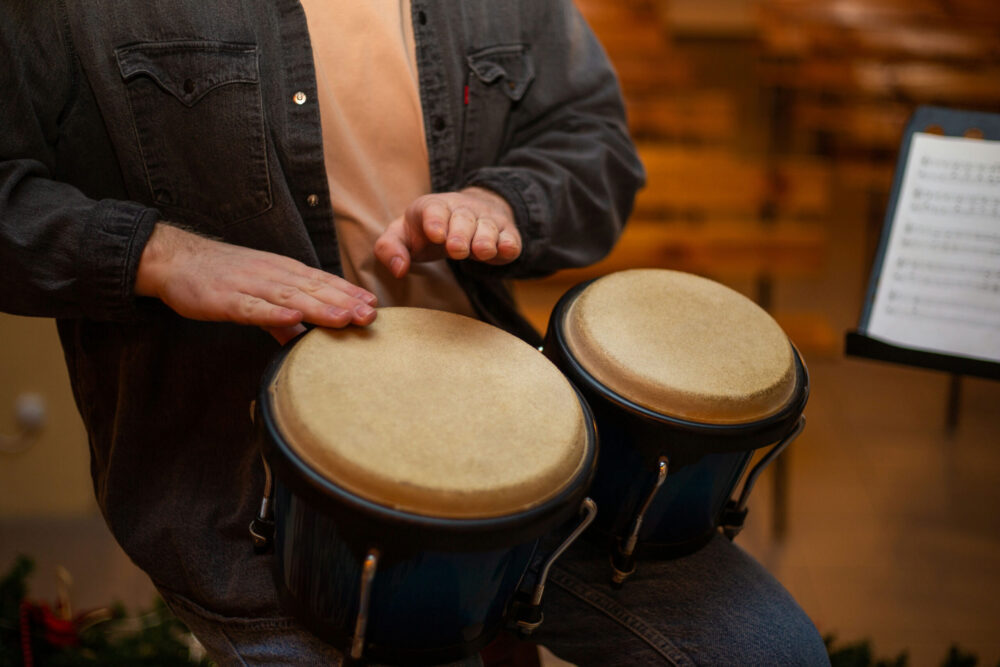
Therapeutic drumming has gained attention for its ability to reduce stress and create group connection. The physical act of playing can help release tension stored in the body.
Creating original songs allows people to tell their story in a new way. Your therapist guides the process, helping you put feelings into words and melodies without pressure to create something polished.
Many people find that songwriting helps them articulate emotions they have struggled to express. The finished song becomes a tangible reminder of their therapeutic work.
Receptive music therapy involves listening to carefully selected music while your therapist guides your attention and reflection. This might include relaxation exercises, guided imagery, or mindful listening practices.
Unlike casual listening at home, receptive music therapy sessions have specific therapeutic goals. Your therapist chooses music based on your concerns and helps you process whatever emotions or thoughts come up.
Moving to music engages the body in the healing process. Activities might include simple swaying, clapping patterns, or more structured movement exercises.
Rhythmic activities can help regulate the nervous system and shift mood relatively quickly. Group rhythm activities also build social connection and a sense of belonging.
What to Expect in a Session
Your first music therapy session typically begins with an assessment. Your therapist will ask about your mental health history, musical preferences, and what you hope to achieve.
Sessions usually last 30 to 60 minutes and can happen individually or in groups. Together, you and your therapist will set goals and create a treatment plan tailored to your situation.
- Open mind: Musical skill is not required
- Comfortable clothing: Allows for movement if needed
- Treatment information: Any details about medications or other therapies you are receiving
- Musical preferences: Ideas about music you enjoy, though your therapist will introduce new options too
Do I Need Musical Experience
No musical background is required. Music therapy focuses on the therapeutic process, not performance or talent. Your therapist will meet you where you are, whether you have never touched an instrument or have played for years.
Some therapists find that people without formal training sometimes engage more freely because they are not worried about playing correctly. The goal is expression and healing, not creating a masterpiece.
How Long Does It Take to See Results
Some benefits appear quickly. Many people feel calmer or more connected after a single session. However, lasting change typically develops over time with consistent participation.
Most treatment plans involve weekly sessions for several months, though this varies based on individual goals. Factors affecting progress include symptom severity, attendance consistency, and whether music therapy is combined with other treatments. Your therapist will regularly assess how things are going and adjust the approach as needed.
Is Music Therapy Covered by Insurance in New Jersey
Insurance coverage for music therapy in New Jersey varies by provider and plan. Medicaid may cover music therapy when it is deemed medically necessary and provided by a licensed professional.
Many private insurance plans are beginning to recognize music therapy, especially when it is part of a comprehensive mental health treatment program. Documentation from your therapist about medical necessity can help with approval.
Tip: Contact your insurance provider directly to ask about coverage for creative arts therapies or music therapy services. Peak Wellness can also help you verify your benefits and understand your options.
Finding Music Therapy Services in New Jersey
When searching for a music therapist, look for the MT-BC credential, which indicates board certification through the Certification Board for Music Therapists. This credential confirms that your therapist has completed approved education and clinical training.
The American Music Therapy Association maintains a directory of certified therapists searchable by location. Psychology Today also lists music therapists in New Jersey by county and specialty.
At Peak Wellness, we incorporate creative therapeutic approaches as part of our comprehensive mental health treatment programs. Our team can help you determine whether music therapy might fit into your recovery plan.

Frequently Asked Questions About Music Therapy
Music therapy typically works best as part of a comprehensive care plan rather than a standalone treatment. It can complement medication, talk therapy, and other interventions effectively.
Board-certified music therapists complete continuing education requirements to maintain their MT-BC credential. New Jersey recognizes this national certification as the standard for practice.
Common instruments include drums, percussion shakers, piano or keyboard, guitar, and voice. Therapists choose accessible instruments that do not require prior training.
Clinical music therapy is goal-directed, structured, and facilitated by a trained professional who tailors interventions to your specific concerns. Casual listening, while enjoyable, lacks this therapeutic framework.
Bringing It All Together for Recovery in New Jersey
Music therapy offers a pathway to mental health recovery that engages the mind, body, and emotions at once. Whether you are managing anxiety, processing trauma, or supporting addiction recovery, this approach can complement your treatment plan in meaningful ways.
At Peak Wellness, we are committed to providing comprehensive, individualized care that addresses the whole person. Our team understands that healing looks different for everyone, and we offer flexible treatment options designed to meet you where you are.
Call us now to speak with a mental health professional or verify your benefits. Our team is here to help you take the next step toward lasting wellness.
- American Music Therapy Association – What is Music Therapy: https://www.musictherapy.org/about/musictherapy/
Medically Reviewed By:
Dr. Jeffrey Simon

Jeffrey Simon MD provides addiction medicine & psychiatric care to patients throughout New Jersey, Philadelphia & Delaware. Dr. Simon has affiliations with multiple treatment centers throughout the region. JHS MD provides advanced addiction psychiatry and mental health services under the leadership of Jeffrey Simon MD, a physician with specialized expertise in Addiction Psychiatry, Child & Adolescent Psychiatry, and Adult Psychiatry. The practice delivers evidence-based treatment for substance use disorders and co-occurring psychiatric conditions using individualized, patient-centered care.